Flat Illustration Great Idea: Unlocking Creative Potential
In the bustling world of modern design, finding assets that strike the perfect balance between uniqueness and versatility is rare. When you encounter the Flat Illustration Great Idea collection, you are looking at more than just a set of graphics; you are looking at a comprehensive visual language. This design concept, characterized by its clean lines, bold colors, and lack of perspective or depth, taps into a "flat" aesthetic that has dominated user interfaces and marketing materials for the past decade. It feels approachable, modern, and incredibly functional. Whether you are a seasoned graphic designer or a small business owner trying to level up your marketing, understanding how to leverage this specific style can significantly elevate your brand identity.
The Anatomy of the Style: Why Flat Illustration Works
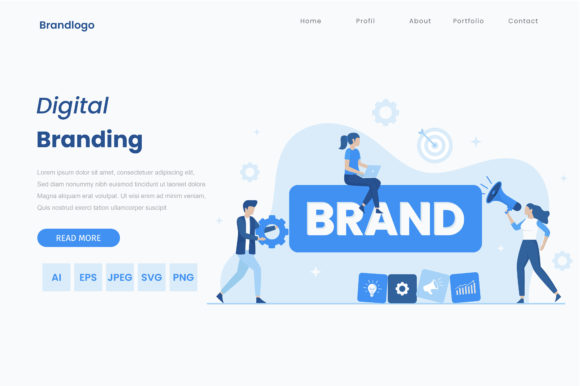
Flat illustration is defined by its simplicity. It strips away the noise—gradients, shadows, and complex textures—to focus on the core message. The Flat Illustration Great Idea concept takes this a step further by focusing specifically on themes of innovation, education, and lightbulb moments. Visually, you will notice vector-based characters, often stylized with geometric shapes, engaging in activities that suggest learning, brainstorming, and collaboration.
Why does this matter for your projects? Because in a digital landscape crowded with hyper-realistic 3D renders and noisy photography, flat art cuts through the clutter. It loads faster on websites, scales perfectly on mobile applications without losing clarity, and maintains its integrity when printed on brochures or leaflets. The personality of these illustrations is inherently optimistic. By using bright palettes and open compositions, they create a welcoming atmosphere that encourages the viewer to keep reading or clicking.
Strategic Applications: From Digital Interfaces to Print Collateral
The true strength of the Flat Illustration Great Idea package lies in its adaptability. It is not just a "nice picture" for a blog post; it is a strategic asset for your entire brand ecosystem. Consider the following scenarios where this design concept shines:
- Educational and Academic Platforms: This is the natural home for this style. If you are designing a poster for a university event, creating a brochure for a new online course, or designing a mobile app for a learning management system, these illustrations provide immediate context. They signal "learning" and "growth" without the need for heavy text blocks.
- Corporate Innovation and Startups: For entrepreneurs and marketers, the "Great Idea" theme is invaluable. Use these assets in pitch decks to visualize the "aha!" moment. When you need to explain a complex workflow or a new software feature on a landing page, a flat illustration can simplify the concept instantly, improving user experience and reducing bounce rates.
- Content Creation and Blogging: Bloggers and publishers often struggle with stock photography that looks generic. Incorporating these flat designs into your headers and sidebar graphics adds a layer of professionalism and consistency. It helps build a recognizable visual brand across social media graphics, ensuring your content stands out in a crowded feed.
Furthermore, the file formats provided—AI, EPS, SVG, DXF, PNG, and JPG—ensure that you are prepared for any medium. The vector files (AI, EPS, SVG) are perfect for large-format printing, such as banners or trade show displays, where you need infinite scalability. The PNG and JPG files are ready to drop into your website builder or social media scheduler immediately. For crafters and hobbyists, the DXF format opens up possibilities for physical products like vinyl decals or screen-printed merchandise.
Design Principles: Readability, Hierarchy, and Brand Perception
Integrating a strong visual style like Flat Illustration Great Idea does more than just decorate a page; it actively influences how your audience perceives your message. In design psychology, simplicity is often equated with trustworthiness. When a website or a brochure is cluttered, the user feels overwhelmed. Flat illustration breathes "white space" into a layout, even when the background is filled with color.
This style aids in visual hierarchy. A well-placed illustration can guide the reader’s eye from the headline to the call-to-action. For instance, a character pointing toward a "Sign Up" button is a classic trick, but with flat illustration, it feels less like a gimmick and more like a cohesive part of the design language. It influences brand perception by making a company appear modern, tech-savvy, and user-centric. If your competitors are using stuffy corporate photography, switching to a vibrant, flat aesthetic can make your brand feel significantly younger and more energetic.
Practical Integration Tips for Creators
When working with the Flat Illustration Great Idea assets, keep a few practical considerations in mind to maximize their impact:
- Color Harmony: These illustrations come with a specific palette. To maintain a professional look, sample colors directly from the illustrations to use in your text or UI elements. This creates a sense of cohesion that makes the design look custom-made.
- Consistency is Key: Avoid mixing this flat style with heavy drop-shadow styles or skeuomorphic elements. The power of flat design is its consistency. If you use these graphics, keep your buttons flat and your typography clean (sans-serif fonts usually pair best).
- Space Management: Don't let the illustrations fight with your text. Use them to break up long paragraphs or to fill negative space on a landing page. They should support the content, not distract from it.
Licensing and Final Considerations
Before deploying any design asset, understanding the licensing is crucial for protecting your business. The Flat Illustration Great Idea files are typically intended for commercial use, but it is always your responsibility to review the specific terms. Most premium design assets allow you to use them in unlimited projects for a single client or your own brand, but restrictions often apply to resale (e.g., you cannot sell the raw files as your own stock art).
For designers, having a library of high-quality vectors like this is a massive time-saver. Instead of spending hours drawing a character from scratch for every new client, you can modify these existing assets to fit the brand color scheme. This efficiency allows you to take on more projects or spend more time on the strategic aspects of the design.
Ultimately, the Flat Illustration Great Idea collection is more than just a set of clip art. It is a versatile toolkit for visual communication. By embracing its clean aesthetic and utilizing the provided file formats effectively, you can bridge the gap between complex ideas and user-friendly design, ensuring your next project—be it a website, a mobile app, or an educational poster—is not only seen but understood and appreciated.