Hand Drawn Tribal Art: Authentic Vectors for Modern Design
Finding the right design element that balances intricate detail with practical usability can be a challenge. You want something that looks organic and authentic, yet functions perfectly within modern digital workflows. This is where the specific aesthetic of Hand Drawn Tribal Art shines. It offers a raw, artistic texture that digital-only tools often struggle to replicate. When you are working on a project that requires a touch of the ancient or a bold, cultural statement, a high-quality vector file is essential. It ensures that the art remains crisp whether it is printed on a billboard or scaled down for a social media icon. This particular set of ornamental clipart illustration provides that versatility. It is designed for the modern creator who values both the artistry of the past and the precision of current technology.
The Visual Character of Tribal Ornaments
When we talk about Hand Drawn Tribal Art, we are referring to a specific style of design that mimics the look of manual pen or brush strokes. These are not sterile, perfectly geometric shapes. Instead, they possess an organic flow. The lines often have varying thicknesses, and the curves carry a subtle imperfection that feels human. This style draws heavily from historical patterns found in various cultures, often featuring symmetrical arrangements, intricate knots, and bold black-and-white contrasts. The appeal lies in its ability to convey a sense of history and craftsmanship. In a world dominated by flat, minimalist design, these ornate sign elements add necessary depth and texture. They feel tactile, as if they could be inked onto skin or carved into wood. For designers, this texture translates to visual interest. It catches the eye because it feels real and substantial, rather than generated by an algorithm.
Practical Applications for Creative Professionals
The true value of a design asset lies in its application. This specific tribal vector is not just a standalone image; it is a versatile tool for various industries. For those in editorial design and publishing, these graphics work beautifully as chapter headers or book covers. They can frame a title block or act as a separator between sections, guiding the reader's eye with style. In packaging design, particularly for artisanal goods, masculine grooming products, or specialty foods, this style of hand drawn tribal art communicates authenticity and premium quality. It tells the customer that care was taken in the product's presentation.
Entrepreneurs and small business owners can also leverage these graphics for brand identity. While a complex tribal pattern might not be a primary logo, it can serve as a powerful secondary brand element. Think about the background of a business card, a watermark on a letterhead, or a custom wax seal design. For the digital space, content creators and bloggers can use these vectors to create unique headers or break up long-form text. Since the files include scalable formats like SVG and EPS, they integrate seamlessly into software like Adobe Illustrator or Affinity Designer. This allows for complete customization of color and size, ensuring the art matches the specific palette of your project.
Enhancing Visual Hierarchy and Brand Perception
Using Hand Drawn Tribal Art effectively requires an understanding of visual hierarchy. Because these designs are detailed and bold, they naturally command attention. They are best used as focal points or framing devices rather than background noise. When used correctly, they can elevate a simple layout into something sophisticated. For example, pairing a bold tribal ornament with a clean, modern sans serif font creates a striking contrast. The organic art softens the corporate feel of the typeface, while the clean text ensures the message remains readable.
This contrast is key to modern typography. You are not trying to make everything look "old" or "tribal." You are using these elements to add character to a contemporary design. In terms of brand perception, incorporating these elements suggests a brand that values detail and tradition. It works exceptionally well for brands in the travel, fitness, or creative arts sectors. It adds a layer of "cool" that feels effortless. However, it is vital to maintain consistency. If you use a specific tribal motif on your website, consider echoing it subtly in your print materials. This repetition builds recognition and makes your brand feel cohesive and professional.
Technical Specifications and Usability
For the practical designer, the technical specs of an asset are just as important as the visual. This collection is delivered at a substantial 4936x3319px at 300 dpi. This resolution is critical for print-on-demand services and physical merchandise. You can print these designs on posters, t-shirts, or canvas bags without worrying about pixelation. The file variety—including SVG, PNG, JPG, EPS, DXF, and AI—covers virtually every workflow.
The PNG files are ready for immediate use in Photoshop or GIMP for quick compositing. The vector files (SVG, EPS, AI) are the powerhouse options. They allow you to change colors instantly, which is essential if you are trying to match a specific brand hex code. For example, you might want to change the black lines to a deep navy blue or a metallic gold. This flexibility makes the asset reusable across multiple campaigns. You are not locked into a single color scheme. The DXF format is particularly useful for crafters using cutting machines, allowing for precise vinyl decals or paper cutouts. This makes the asset valuable not just for screen-based design but for physical crafting and maker projects.
Integrating Art into Modern Workflows
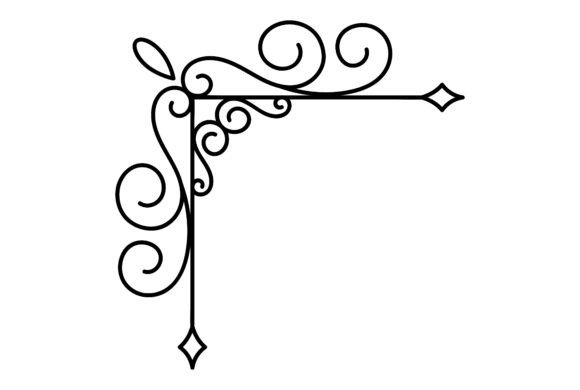
When incorporating Hand Drawn Tribal Art into your projects, think about the context of your audience. If you are designing for a web design project, consider using these vectors as SVGs to ensure they load quickly and look sharp on high-resolution retina screens. They can be used to create custom dividers or decorative corners for blog posts. For social media graphics, these bold ornaments make excellent profile picture borders or post accents. They help stop the scroll because they are visually dense and intricate.
One practical tip for using these designs is to avoid overcrowding. Because the art is ornate, it needs breathing room. Pair it with plenty of white space to let the details shine. If you are creating an invitation card, for instance, let the tribal border be the hero element. Keep the typography simple and legible. This balance ensures that the design feels curated rather than chaotic. Ultimately, this asset is about adding a layer of professional polish. It bridges the gap between the digital and the handmade, offering a solution that is both visually striking and technically sound for today's diverse creative demands.