Mastering the Art of Drawing Line Abstract
The Personality of a Hand-Drawn Ornament Vector
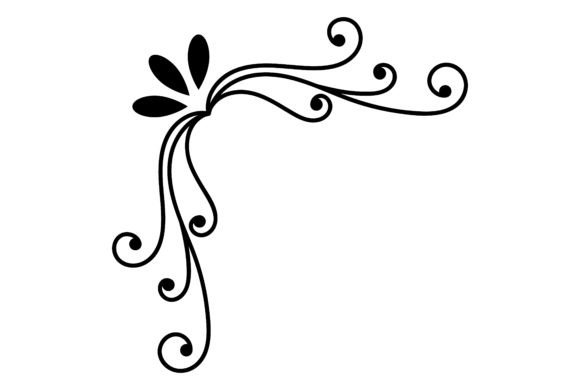
In a digital landscape often dominated by rigid geometry and sterile perfection, the Drawing Line Abstract collection offers a breath of fresh air. This is not just another clipart; it is a sophisticated set of ornamental illustrations characterized by intricate, flowing lines that mimic the imperfections and charm of hand-drawn art. Visually, these designs strike a balance between tribal aesthetics and modern elegance. The strokes are deliberate yet fluid, creating a sense of movement that static geometric shapes often lack. There is a distinct personality here—one that speaks to craftsmanship, tradition, and artistic flair. Whether you view the intricate curves as floral motifs or abstract tribal patterns, the result is a design asset that feels organic and alive.
The visual style of Drawing Line Abstract relies heavily on negative space and line weight. It manages to be ornate without becoming cluttered. This is crucial for modern typography and design, where clarity is king. The "hand-drawn" quality implies a human touch, which is psychologically comforting to viewers. It suggests that a real person crafted the message or product, rather than a faceless algorithm. For brand strategists, this is a powerful tool to convey authenticity. The vector nature of the artwork ensures that while the lines look hand-sketched, they scale perfectly for everything from a tiny favicon to a massive billboard, maintaining that crisp, professional finish required for premium font and graphic applications.
Strategic Applications for Designers and Entrepreneurs
Understanding where to deploy the Drawing Line Abstract style is key to maximizing its impact. This type of creative font and graphic element excels in environments where you need to capture attention quickly but retain a sense of sophistication.
Consider the following real-world applications:
- Logo Design and Brand Identity: If you are building a brand that values heritage, craftsmanship, or bohemian luxury, these vectors are perfect. They work exceptionally well as standalone logos or as part of a complex brand identity system. Imagine a jewelry brand or an artisanal coffee shop using a simplified version of this ornament as their primary mark.
- Packaging Design: For products that need to stand out on the shelf, Drawing Line Abstract provides a tactile visual texture. It is ideal for wine labels, cosmetics, or specialty foods. The intricate details invite the customer to pick up the product and look closer, which is the first step in a sale.
- Editorial and Book Covers: In publishing, the cover sells the story. This style works beautifully for fantasy, historical fiction, or poetry collections. It adds a layer of mystery and depth that a standard sans serif font cover might miss. The high-resolution (300 dpi) files ensure the print quality is sharp on physical paper.
- Digital and Social Media: While intricate, these designs can be adapted for web headers, blog post graphics, and social media stories. They act as excellent background textures or accent pieces for quotes and announcements. Because the files include SVG and EPS, they are infinitely scalable for responsive web design.
For content creators and bloggers, using Drawing Line Abstract helps break the monotony of standard stock photography. It adds a layer of curated artistry to your site that signals professionalism to your visitors.
Integrating Drawing Line Abstract into Your Workflow
Adopting a new design asset requires practical consideration regarding compatibility and integration. The Drawing Line Abstract package is designed for versatility, including formats like SVG, PNG, JPG, EPS, DXF, and AI. This comprehensive suite ensures you are ready for almost any software environment.
Here is how to approach the integration:
- Software Compatibility: Whether you are a die-hard Adobe Illustrator user, prefer the open-source power of GIMP, or use Photoshop for compositing, these files are ready to go. The vector formats (AI, EPS, SVG) are best for resizing and color changes, while the raster formats (PNG, JPG) are ready for immediate placement.
- Font Pairing Strategy: Because the ornament is so detailed, you need to choose your typography carefully. Avoid pairing it with overly decorative script fonts or complex handwritten fonts, as this will create visual chaos. Instead, let the ornament shine by pairing it with a clean, geometric serif font or a minimalist sans serif font. The contrast between the rigid text and the flowing ornament creates a dynamic visual hierarchy.
- Color and Texture: While the default is likely black and white, don't be afraid to experiment with color. A single color can change the mood entirely—gold for luxury, deep green for nature, or neon pink for a modern edge. However, ensure the line weight remains visible against your background.
- Commercial Licensing: Always review the usage rights. For print on demand products, greeting cards, or invitation cards, ensure the license covers commercial reproduction. This asset is an investment in your toolkit, so treating it as a professional design asset is essential for long-term business use.
Ultimately, Drawing Line Abstract is more than just decoration; it is a communication tool. It tells your audience that you value detail, aesthetics, and quality. By integrating these elements thoughtfully, you elevate your projects from amateur to professional, creating a lasting impression that resonates with your audience.