The Enduring Allure of the Oriental Ornament Frame
There’s a specific kind of visual weight that traditional, hand-drawn ornamentation brings to a project. It communicates care, history, and a level of detail that a simple digital shape cannot replicate. The Oriental Ornament Frame is a design asset that taps directly into this feeling. It’s not just a border; it’s a piece of art in itself, built from intricate, scalable tribal vectors that carry a distinct personality. For designers, entrepreneurs, and creators, understanding how to leverage such a powerful decorative element can be the difference between a project that feels finished and one that feels truly special.
More Than a Border: The Visual Character of the Frame
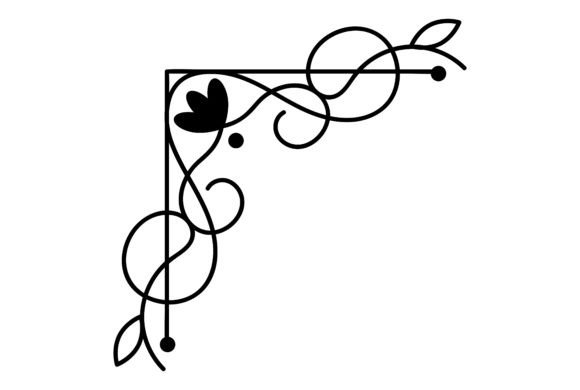
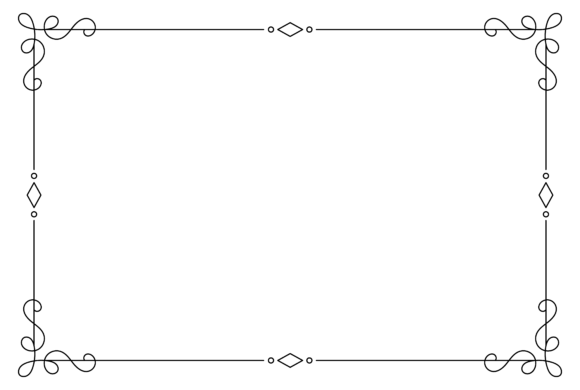
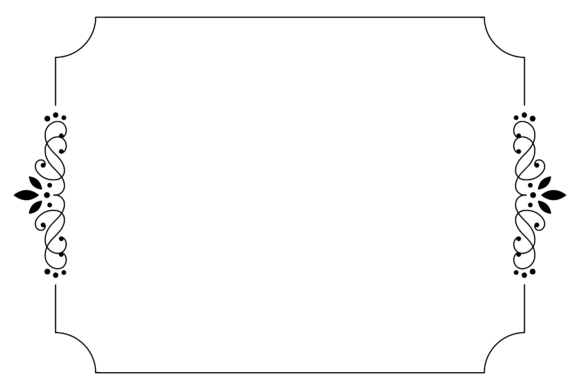
At its core, the Oriental Ornament Frame is a celebration of intricate line work and symmetrical complexity. The hand-drawn nature is key—it introduces slight, organic variations that prevent the design from feeling sterile or overly mechanical. This gives it a personality that is both ancient and adaptable. The visual style leans into ornate, flowing curves and detailed motifs, creating a sense of luxury and craftsmanship. It’s a piece of premium font adjacent design—meaning it functions with the same intentionality and quality as a high-end typeface, but as a graphical element. The appeal lies in its ability to instantly elevate a composition, providing a rich focal point or a structured, elegant container for other content.
This isn't a minimalist asset. Its strength is in its opulence. Used thoughtfully, it can anchor a design, giving it a clear visual hierarchy. The frame naturally draws the eye, making it an ideal tool for highlighting key information, whether it’s a logo, a title, or a special announcement. The personality it projects is one of sophistication, tradition, and artistic depth, making it particularly effective for projects aiming to convey heritage, luxury, or a handcrafted ethos.
Practical Applications: Where This Ornamental Vector Excels
The true value of a design asset like the Oriental Ornament Frame is realized in its application. Its versatility is one of its greatest strengths, crossing the boundaries between digital and print, personal and commercial. Think of it as a foundational design element for your brand identity or creative toolkit.
In editorial design and publishing, it transforms a standard book cover into a collector’s item. Imagine it framing the title of a historical novel, a poetry collection, or a special edition. For bloggers and website owners, it can be used to create stunning featured images, section dividers, or as a distinctive border for author bios, adding a layer of web design sophistication that stands out from generic templates.
For entrepreneurs and small business owners in the craft, stationery, or print on demand space, the applications are immediate and profitable. It’s perfect for creating:
- Invitation cards and greeting cards with a luxurious feel.
- Product packaging for artisanal goods, where the frame can communicate quality and tradition.
- Social media graphics that stop the scroll, particularly for announcements, quotes, or sales promotions.
- Digital products like planners, wall art, or journal templates.
The included file formats—SVG, PNG, JPG, EPS, DXF, AI—ensure compatibility with virtually any designer software, from Photoshop and Illustrator to GIMP and other open-source tools. This makes it a practical design asset for teams and individuals alike, ensuring the vector scales perfectly for anything from a small icon to a large-format print.
Integrating the Frame: A Designer’s Practical Guide
Having a beautiful asset is one thing; using it effectively is another. Here’s how to approach the Oriental Ornament Frame with a strategic mindset.
Evaluate the Project Fit: First, assess the tone of your project. This ornate frame pairs best with themes that align with its character: classical, historical, botanical, luxurious, or mystical. It might clash with ultra-modern, minimalist, or tech-focused aesthetics unless used in a very deliberate, contrasting way. Ask yourself: does this frame support the story I’m trying to tell?
Master the Font Pairing: The frame is a dominant visual element. Pairing it with the right typeface is crucial. Avoid other highly decorative display fonts or script fonts that would compete for attention. Instead, opt for clean, readable companions. A classic serif font like Garamond or Baskerville for body text can create a harmonious, traditional look. For a more contemporary feel, pair the ornate frame with a simple, elegant sans serif font like Lato or Montserrat. This contrast allows the frame to shine while keeping the overall design balanced and legible.
Consider Readability and Hierarchy: Use the frame to create a clear focal point. If you’re placing text inside it, ensure there is ample padding and that the font size and weight are sufficient to be read against the intricate background. Often, a solid-color background inside the frame (like cream or white) works best to ensure text remains the star. The frame itself should guide the viewer’s eye to the most important information.
Review Licensing and Formats: Always confirm the commercial license allows for your intended use, especially for print on demand and product sales. The provided ZIP folder containing all vector formats is a professional standard, giving you the flexibility to use the asset in any creative font or design workflow without quality loss.
Ultimately, the Oriental Ornament Frame is more than just a decorative flourish. It’s a versatile design asset that, when used with intention, can significantly enhance the professionalism, visual appeal, and perceived value of your work. It bridges the gap between digital convenience and the timeless appeal of handcrafted artistry, making it a worthy addition to any creator’s library.